Sustainable Agriculture
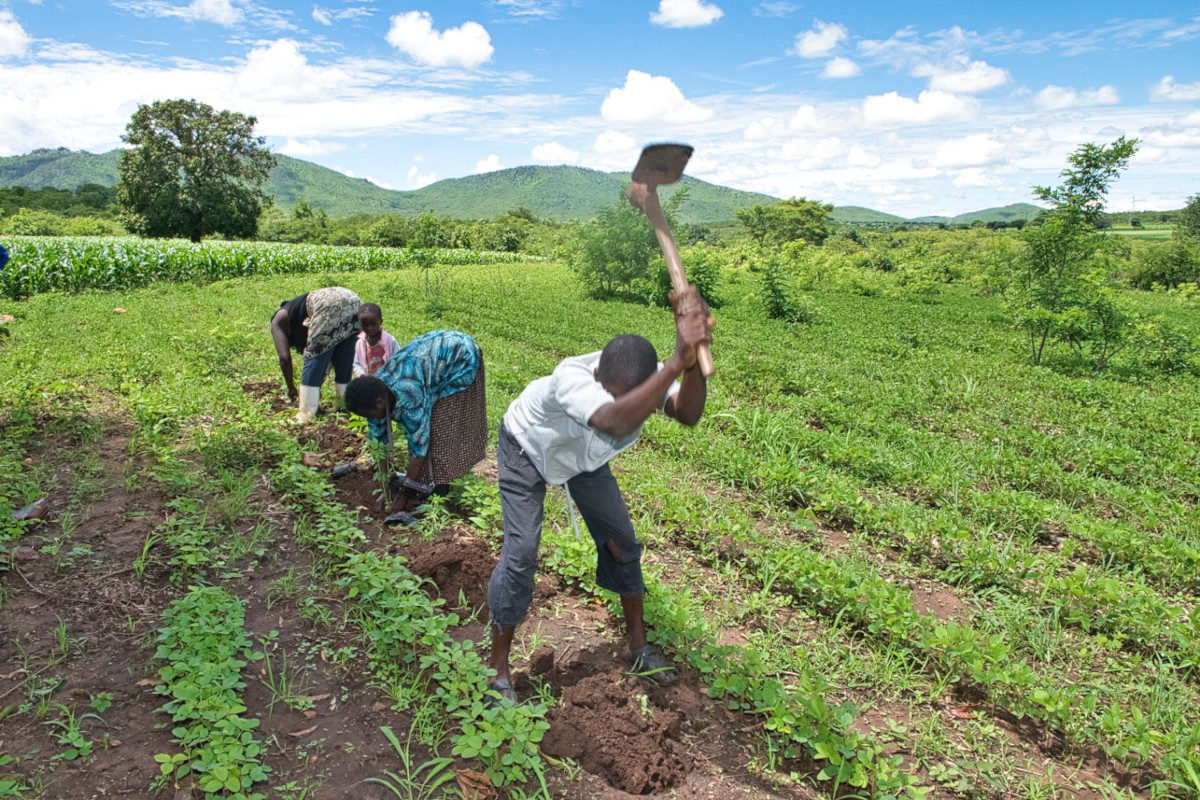
In the past, a lack of education around sustainable farming practices resulted in nutrient-poor soils and high rates of erosion. To find fertile ground, farmers would routinely clear new tracks of land with slash and burn practices and use expensive chemical fertilizers. Still, crop yields were low, causing food insecurity and high rates of rural poverty. What crops were harvested were often destroyed by weevil infestations while in storage. Today, climate change has brought the additional challenge of unpredictable rains to the Luangwa Valley, and farmers routinely battle long periods of drought.
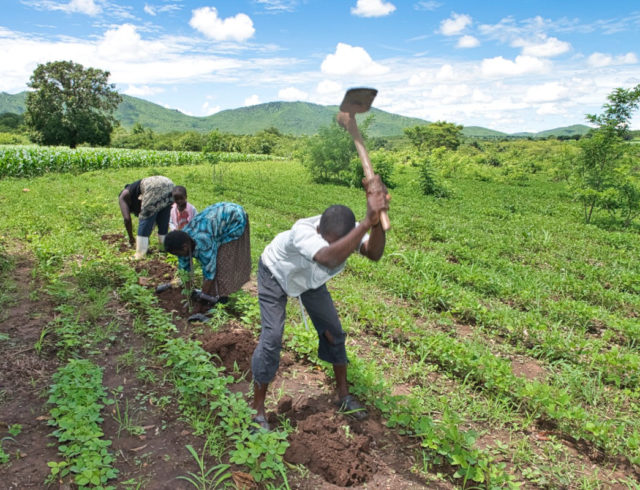
We train our farmers in the leading practices of organic farming. Farmers plant legume food crops such as soybeans and groundnuts to enhance soil nutrition, and practice crop rotation to keep fields healthy year after year. To further improve soil fertility, our crops are planted alongside millions of Gliricidia sepium trees, a nitrogen-fixing plant that adds nutrients to depleted soils and naturally repels pests. Gliricidia leaves serve as the base for our organic compost, are placed directly with crop seeds when plants and are also used to repel pests in granaries to protect families food stocks.
To address drought, we teach farmers to use rip lines, a way of plowing that minimizes disturbances to the soil, to sow crops and prepare fields with special techniques designed to retain moisture for months at a time. Farmers across the region find that fields kept in the COMACO style fare much better than those farmed with standard commercial practices. On average, maize yields have improved 2-3-fold and annual incomes for farmers have increased up to 450%. Families that previously struggled to feed themselves now have enough to eat and a reliable income source from selling their surplus crops to COMACO at premium market prices.


Women’s Empowerment
52% of COMACO farmers and half of all cooperative leaders are women, figures that would have been unimaginable twenty years ago.
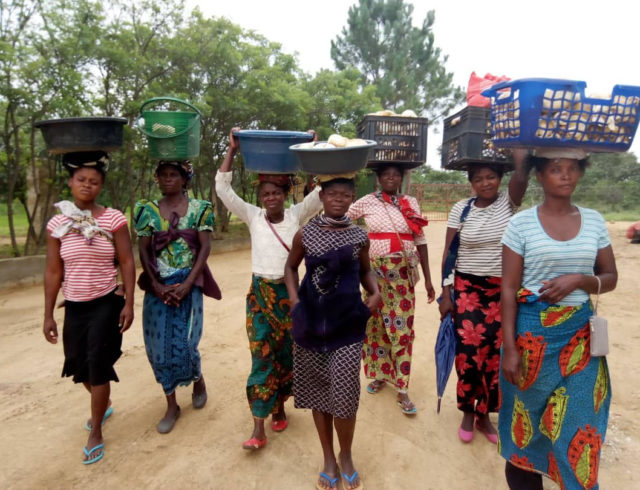
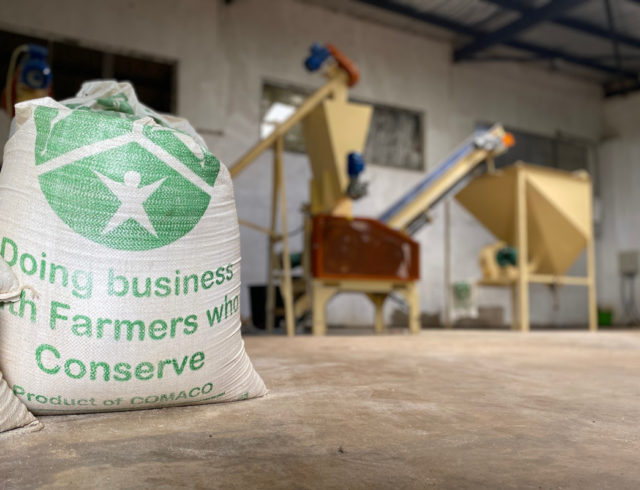
Manufacturing as a Tool for Conservation
We supply over 8,000 tons of nutritious food products to Zambia’s cities and towns annually under the brand It’s Wild!.
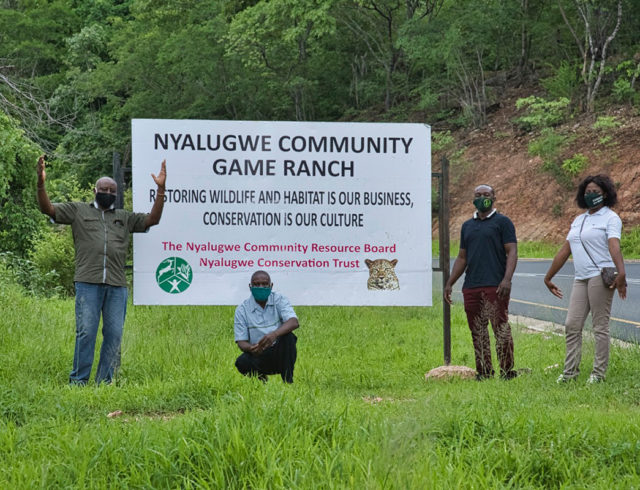
Carbon Project
We worked with local chiefs to establish Community Conservation Areas designed to safeguard Zambia’s forests and the wildlife within them.
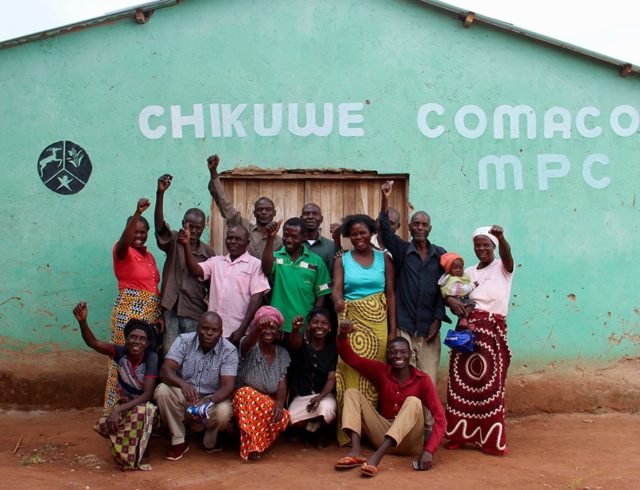
Cooperatives
We helped establish 103 community-run cooperatives in 84 chiefdoms across Eastern, Central and Muchinga Provinces of Zambia.
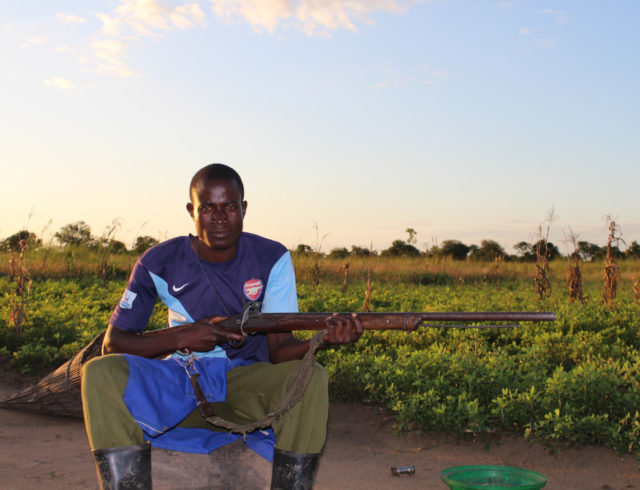
Transformed Poachers
COMACO started operating in Luangwa Valley with a mission to help wildlife poachers learn new skills to fulfil their livelihoods and protect wildlife.
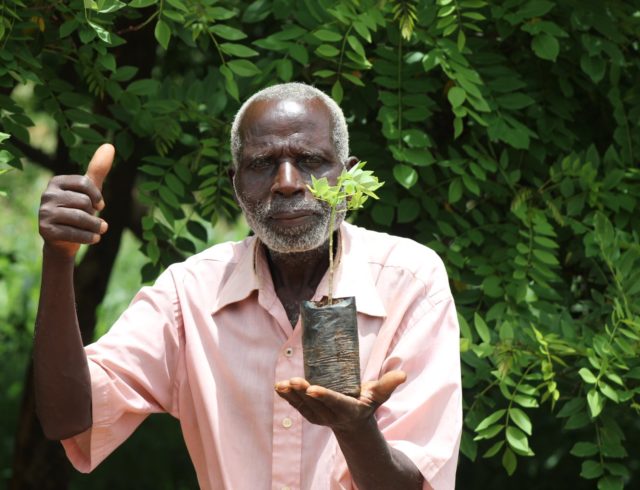
Agroforestry
In the 2020/2021 season, we partnered with 72,000 farmers in Eastern and Muchinga provinces to plant over 46 million Gliricidia Sepium trees.
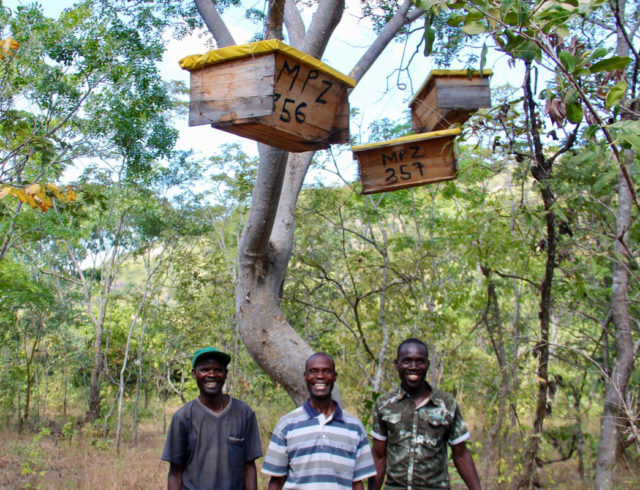
Beekeeping
We work with over 7,000 farmers in the Luangwa Valley not only to protect landscapes and forests, but also to improve household nutrition and income.
Sustainable Agriculture
We train our farmers in the leading practices of organic farming to enhance soil nutrition, and practice crop rotation to keep fields healthy yearly
Recent Posts

Recent Comments